Fr. Duc’s Message of the Week Mar. 9, 2025

Dear Parishioners,

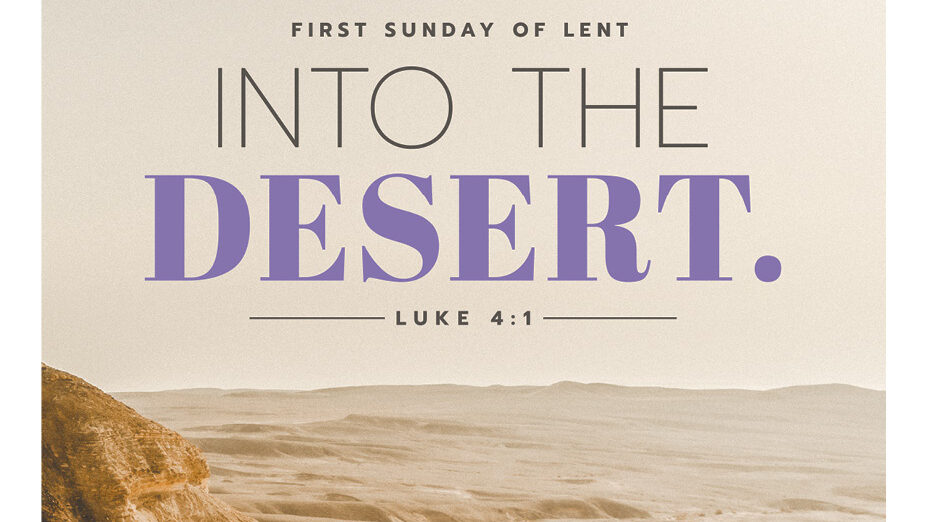
The three temptations that Satan dangled in front of Jesus in the desert represent the three most successful tactics in seducing people. The first bait is material abundance, particularly pleasure and money; the second is fame and honor; and the third is power and pride. All regimes and tyrants in human history have used these tactics, from the conquest of the Roman empires to the current Russian ambition, from communism to capitalism. Given enough pleasure, fame, and power, the crowds will be easily manipulated. No wonder even some religions use material things to attract followers.

For Jesus, the three temptations became extremely dangerous. First, there is nothing more attractive than a hot loaf of bread when the stomach rumbles. Secondly, everything Satan lured Jesus to do was within His power, as easy as the flick of a finger. During his public life, Jesus multiplied loaves and fish and cured many diseases, so much so that people wanted to make him king. The easier and more attractive the trap, the more sinister it is.

Not only did Satan use these tactics against Jesus, but he continues to use them to seduce, mislead, and manipulate each of us. The more knowledge, authority, or responsibility one possesses, the more sophisticated and cunning the temptations. Indeed, all those who direct their lives to money, pleasure, power, and worldly glory are just nameless minions of the devil. What are your concrete temptations?

Lent is an opportunity for us to stay awake, to realize where we are going, and especially where we want to reach. Jesus himself had to spend 40 days in the desert to prepare for his mission. Thus, we have no choice but to prepare ourselves for our own wilderness, if we want to conquer temptations and find purpose, meaning, and freedom for our life.

The important lesson today is: How did Jesus break free from the stranglehold of these temptations? To counter the three powerful tactics of the devil, Jesus recalled three truths from the book of Deuteronomy: first, the fullness of life comes from the Word of God rather than bread; second, only the authority of God is the ultimate and rightful authority; third, the highest honor comes from God and not from the world. The three tactics of the demon are neutralized by the wisdom and power that come from the Word of God, the word of life, the word of truth, the word of deliverance.

Everyone must face wilderness in life. So, I suggest that when the wilderness is surrounding us, recall the words of Jesus, “Nothing is impossible with God.” And then say to God, “Lord, I don’t understand why You’ve brought me here. But I’m placing all my trust in You. Please teach me what You want me to learn here. Please make me into the person You want me to be.”

Also, remember that pleasure, fame, and power are nothing but the blackholes of human experience. The more you have them, the more you thirst for them. Just look at what is going on now with Vladimir Putin of Russia and Xi Jinping of China. These two tyrants will never stop grabbing for more wealth, fame, and power until they collapse.

Like Jesus, the transforming solace in the wilderness of life for us is the Word of God. The Word is still the most effective means for those who seek truth, goodness, and beauty, for the souls that long for freedom and peace, for the revolutionaries of the heart. Both heaven and earth will pass away, together with our wilderness and pain. But the Word of God will last forever.

In the Most Holy Trinity and in solidarity with you all,

Fr. Duc

Ông Bà Anh Chị Em quý mến,

Ba cám dỗ mà Satan giăng trước mặt Chúa Giêsu trong sa mạc tượng trưng cho ba chiến thuật thành công nhất trong việc quyến rũ con người. Mồi nhử đầu tiên là sự sung túc về vật chất, đặc biệt là lạc thú và tiền bạc; thứ hai là danh tiếng và danh dự; và thứ ba là quyền lực và lòng kiêu hãnh. Tất cả các chế độ và bạo chúa trong lịch sử loài người đều sử dụng những chiến thuật này, từ cuộc chinh phục của các đế chế La Mã đến tham vọng hiện tại của Nga, từ chủ nghĩa cộng sản đến chủ nghĩa tư bản. Khi có đủ lạc thú, danh tiếng và quyền lực, đám đông sẽ dễ dàng bị thao túng. Không có gì ngạc nhiên khi ngay cả một số tôn giáo cũng sử dụng những thứ vật chất để thu hút tín đồ.

Đối với Chúa Giêsu, ba cám dỗ trở nên cực kỳ nguy hiểm. Thứ nhất, không có gì hấp dẫn hơn một ổ bánh mì nóng hổi khi bụng đói cồn cào. ​​Thứ hai, mọi thứ Satan dụ dỗ Chúa Giêsu làm đều nằm trong khả năng của Ngài, dễ dàng như một cái búng tay. Trong suốt cuộc đời công khai của mình, Chúa Giêsu đã nhân bánh mì và cá lên và chữa lành nhiều bệnh tật, đến nỗi mọi người muốn tôn Ngài lên làm vua. Cái bẫy càng dễ dàng và hấp dẫn thì càng nham hiểm.

Satan không chỉ sử dụng những chiến thuật này chống lại Chúa Giêsu mà còn tiếp tục sử dụng chúng để quyến rũ, lừa dối và thao túng mỗi người chúng ta. Càng có nhiều kiến ​​thức, quyền hạn hoặc trách nhiệm, thì những cám dỗ càng tinh vi và xảo quyệt. Thật vậy, tất cả những ai hướng cuộc sống của họ đến tiền bạc, thú vui, quyền lực và vinh quang thế gian chỉ là những tay sai vô danh của ma quỷ. Những cám dỗ của bạn là gì?

Mùa Chay là cơ hội để chúng ta tỉnh thức, nhận ra mình đang đi đâu và đặc biệt là nơi chúng ta muốn đến. Chính Chúa Giêsu đã phải dành 40 ngày trong sa mạc để chuẩn bị cho sứ mệnh của mình. Vì vậy, chúng ta không còn lựa chọn nào khác ngoài việc chuẩn bị cho sa mạc của riêng mình, nếu chúng ta muốn chiến thắng những cám dỗ và tìm thấy mục đích, ý nghĩa và sự tự do cho cuộc sống của mình.

Bài học quan trọng hôm nay là: Chúa Giêsu đã thoát khỏi sự kìm kẹp của những cám dỗ này như thế nào? Để chống lại ba chiến thuật mạnh mẽ của ma quỷ, Chúa Giêsu đã nhắc lại ba sự thật từ sách Đệ Nhị Luật: thứ nhất, sự sống viên mãn đến từ Lời Chúa chứ không phải từ bánh mì; thứ hai, chỉ có thẩm quyền của Chúa mới là thẩm quyền tối cao và hợp pháp; thứ ba, vinh dự cao nhất đến từ Chúa chứ không phải từ thế gian. Ba chiến thuật của ma quỷ bị vô hiệu hóa bởi sự khôn ngoan và quyền năng đến từ Lời Chúa, lời sự sống, lời lẽ chân lý, lời giải cứu.

Mọi người đều phải đối mặt với sự hoang vu trong cuộc sống. Vì vậy, tôi đề nghị rằng khi sự hoang vu bao quanh chúng ta, hãy nhớ lại lời của Chúa Giêsu, “Không có gì là không thể với Chúa.” Và sau đó nói với Chúa, “Lạy Chúa, con không hiểu tại sao Chúa lại đưa con đến đây. Nhưng con đặt trọn niềm tin vào Chúa. Xin hãy dạy con những gì Chúa muốn con học ở đây. Xin hãy biến con thành con người mà Chúa muốn con trở thành.”

Ngoài ra, hãy nhớ rằng khoái lạc, danh vọng và quyền lực chẳng qua chỉ là những hố đen của trải nghiệm con người. Bạn càng có chúng, bạn càng khao khát chúng. Hãy nhìn vào những gì đang diễn ra hiện nay với Vladimir Putin của Nga và Tập Cận Bình của Trung Quốc. Hai bạo chúa này sẽ không bao giờ ngừng giành giật thêm của cải, danh vọng và quyền lực cho đến khi chúng sụp đổ.

Giống như Chúa Giêsu, niềm an ủi biến đổi trong sự hoang vu của cuộc sống đối với chúng ta chính là Lời Chúa. Lời Chúa vẫn là phương tiện hữu hiệu nhất cho những ai tìm kiếm chân lý, lòng tốt và vẻ đẹp, cho những tâm hồn khao khát tự do và hòa bình, cho những người cách mạng của trái tim. Cả trời và đất sẽ qua đi, cùng với sự hoang vu và đau khổ của chúng ta. Nhưng Lời Chúa sẽ tồn tại mãi mãi.

Hiệp thông trong Chúa Ba Ngôi và hiệp nhất với ông bà anh chị em,

Lm Tôma Vũ Minh Đức, SJ
Fr. Duc’s Message of the Week Mar. 2, 2025

March 2, 2025

Dear Parishioners,

There are simple habits that we only realize their importance when we forget to do them. Waking up in the morning, cleaning up, eating a piece of cake or drinking a glass of milk, then rushing to get in the car to go to work, forgetting to look in the mirror. Sometimes peanut butter is stuck on your face, the rim of a glass of milk or orange juice stained your lips, but you still go to meet a client or customer, who wouldn’t blush when you realize it? Worse still, forgetting to zip up your zipper or leaving toilet paper hanging down your back while still being cheerful in public is truly shameful. Looking in the mirror is a very simple but very important thing. Forgetting to do it can lead to losing your job or at least losing customers.

We want to show the world that we are neat and polite people, so we have to look in the mirror not just once but many times a day. And we all know that neatness and politeness on the outside is not as important as maturity and prudence on the inside. But have we ever asked ourselves: what is the human mirror that helps us recognize what is sloppy and ugly inside?

Let me say right away that no one does not have a human mirror that helps them recognize their own shortcomings and bad habits. Each person has not just one but many such human mirrors. They are the people who live closest to them. The human mirror of the wife is the husband, and vice versa. Then the siblings and parents, relatives and colleagues also constantly show us what in us is an eyesore, a deviation, and not good in their eyes.

When we look in the mirror and recognize a blemish on our face, a mistake in our clothing, we are secretly happy because we have corrected it in time. But when a human mirror only shows a bad trait or weakness, we naturally object. Why? Is it because we only want to correct our external appearance, while disregarding our inner maturity?

Definitely not. There are many reasons why we silently thank the glass mirror but are annoyed with human mirrors. Jesus in today’s Gospel shows us a basic reason, “Why do you see the speck in your brother’s eye, but do not notice the log in your own eye?” We are annoyed with human mirrors because each of us is a mirror. We also see in the person who just pointed out to us some bad habits and many other imperfections. In our mind we say to ourselves, “You are not any better than me, why are you showing off?”

It is always easier to see the shortcomings of others than to recognize our own. Just observe the conflicts between couples and we will see. The wife always has a long list of her husband’s bad habits. Conversely, the husband also lists many ways his wife has hurt or embarrassed him. When you consider carefully, it is not certain whose list is longer.

However, the way the husband and wife handle their lists is often very different. The wife will communicate her list to an intermediary – a priest, nun or family counselor – in detail, and most importantly, will tell them her husband’s sins, not just once but repeatedly. The husband, on the other hand, will rarely dare to express all his grievances to his wife, but will only share them with someone he trusts – sometimes a priest, sometimes a mediator.

When couples come to me to express their family problems, I want an office that is like a police station when they investigate. One person stands outside behind a one-way glass wall, seeing and hearing the two people inside, but the person being investigated cannot see the person standing outside. I want the husband to hear the wife’s discontent, and the wife to hear the husband’s sadness. Listening to each other completely and thoroughly is always an important first step to reconciliation. This is the most difficult step.

Another sad reality is: everyone thinks that the other person must change for things to be better, without thinking about changing themselves. Everyone wants to change others, but they refuse to change themselves. As such, things will not improve but will get worse. The reason is simple: no one can change others, only themselves. Without accepting this truth, it is impossible to improve yourself and your family.

Ancient cultures and masters through the ages have sounded the same message, in many different forms. Know Yourself – To know others is good knowledge, to know oneself is wisdom – Cultivate yourself, regulate your family, govern your country, and bring peace to the world – Knowing yourself and others, and you will win every battle. Jesus said bluntly, “You hypocrite! First take the log out of your own eye, and then you will see clearly to take the speck out of your brother’s eye!”

Standing in front of a mirror, no one is crazy enough to object to the stains or wrinkled clothes that appear before them. Each of us needs to learn to humbly listen to human mirrors tell us about our shortcomings and weaknesses. Do not argue or object. But take the time to examine ourselves. When others point out our shortcomings, they are our teachers. If those weaknesses are true, thank that person, and ask God to give you patience and wisdom to correct them. If you find some untrue points, silently ignore them, without making excuses or explanations. If that human mirror is your husband or wife, ask them how they can best help you correct them.

What must never be forgotten is: a useful mirror not only shows the ugly and dirty things but also reveals the beauty and nobility of the person looking in the mirror. Human mirrors should show each other the good qualities, sacrifices, and nobility of the people they live with. A human mirror that only shows the bad and the ugly is just a useless mirror, no one wants to live near it. But a mirror that brightens the beauty of the person looking in the mirror is a divine mirror.

In the Most Holy Trinity and in solidarity with you all,

Fr. Duc

Ông Bà Anh Chị Em quý mến,

Có những thói quen đơn giản mà chúng ta chỉ ý thức được tầm quan trọng của chúng khi mình quên làm. Sáng dậy, làm vệ sinh, ăn miếng bánh hay uống ly sữa, rồi vội vã lên xe đi làm, quên soi gương. Có khi peanut butter dính trên mặt, vết miệng ly sữa hay ly nước cam dính trên mép, mà cứ hiên ngang đi gặp thân chủ hoặc khách hàng thì khi nhận ra ai mà không đỏ mặt? Tệ hơn nữa là quên kéo zipper lên hay để toillet paper dính lòng thòng sau lưng mà cứ hớn hở giữa công chúng thì quả là đáng hổ thẹn. Soi gương là việc hết sức đơn giản nhưng cũng rất quan trọng. Quên làm có thể dẫn đến mất việc hay ít nhất mất khách.

Chúng ta muốn chứng tỏ cho thiên hạ biết mình là con người gọn gàng lịch sự nên chúng ta phải soi gương không chỉ một lần mà nhiều lần trong ngày. Và chúng ta ai cũng biết là vẻ gọn gàng lịch sự bên ngoài chưa quan trọng bằng sự chín chắn trưởng thành bên trong. Nhưng có bao giờ chúng ta tự hỏi: đâu là tấm gương nhân bản giúp cho mình nhận ra những gì là lôi thôi lếch thếch và xấu xa bên trong?

Xin thưa ngay rằng không ai là không có tấm gương nhân bản giúp mình nhận ra những khuyết điểm tật xấu của mình. Mỗi người có không chỉ một mà nhiều tấm gương nhân bản ấy. Đó là những người sống gần gũi nhất với mình. Tấm gương nhân bản của vợ là chồng, của chồng là vợ. Rồi cả anh chị em và cha mẹ, họ hàng và đồng nghiệp cũng không ngừng chỉ cho chúng ta thấy những gì nơi chúng ta là chướng mắt, là lệch lạc, là không tốt trong đôi mắt họ.

Khi chúng ta soi gương và nhận ra một vết nhơ trên mặt, một sơ xuất trong trang phục, thì chúng ta mừng thầm vì kịp thời chỉnh sửa. Còn khi một tấm gương nhân bản chỉ cho thấy một tính xấu hay nhược điểm thì chúng ta tự nhiên phản đối. Tại sao? Có phải là chúng ta chỉ muốn chỉnh sửa dung mạo bên ngoài, mà coi thường sự chín chắn trưởng thành bên trong không?

Chắn chắn là không. Có nhiều lý do cho việc chúng ta thầm cám ơn cái gương bằng kiếng nhưng lại khó chịu với những chiếc gương con người. Chúa Giêsu trong bài Phúc Âm hôm nay chỉ cho chúng ta một lý do căn bản, “Sao anh thấy cái rác trong con mắt của người anh em, mà cái xà trong con mắt của chính mình thì lại không để ý tới?” Chúng ta khó chịu với các tấm gương nhân bản là vì mỗi bản thân chúng ta cũng là một chiếc gương. Chúng ta cũng thấy nơi kẻ vừa chỉ cho mình một số tật xấu không ít những khiếm khuyết bất toàn khác. Trong đầu chúng ta tự nhủ, “Ngươi đâu có hay ho gì hơn ta mà bày đặt?”

Thấy khuyết điểm của kẻ khác bao giờ cũng dễ gấp bội việc nhận ra khuyết điểm của mình. Cứ quan sát sự lủng củng giữa các cặp vợ chồng sẽ thấy. Người vợ thì lúc nào cũng có sẵn một danh sách tràng giang đại hải những thói hư tật xấu của chồng. Ngược lại, ông chồng thì cũng liệt kê không ít những gì vợ làm mình tổn thương hay mất mặt. Xét cho kỹ thì chưa chắc danh sách của ai dài hơn ai.

Tuy nhiên, việc sử lý danh sách của hai vợ chồng thường rất khác nhau. Người vợ thì phổ biến danh sách của mình cho một người trung gian – cha, sơ hay cố vấn gia đình – một cách rành mạch chi tiết, và nhất là kể tội chồng mình cho chính ông ta biết, không chỉ một lần mà lập đi lập lại nhiều lần. Còn người chồng thì ít khi dám bày tỏ mọi sự bất bình của mình với vợ, mà chỉ chia sẻ được với ai mình thật tin tưởng – có khi là một tu sĩ, có khi là người trung gian.

Khi có những cặp vợ chồng đến bày tỏ với tôi về những rạn nứt trong gia đình của họ, tôi muốn có một văn phòng giống như sở cảnh sát khi họ điều tra. Một người đứng ở ngoài sau bức tường kiếng một chiều, nhìn và nghe được hai người bên trong, nhưng người bị điều tra không thấy được người đứng bên ngoài. Tôi muốn người chồng nghe được tâm trạng bất bình của vợ, và người vợ nghe được tâm sự u uẩn của chồng. Lắng nghe lẫn nhau một cách trọn vẹn và thấu đáo bao giờ cũng là một bước khởi đầu quan trọng cho việc giải hòa. Đây là bước khó nhất.

Một thực tế đáng buồn nữa là: ai cũng cho rằng người kia phải thay đổi thì mọi chuyện sẽ tốt đẹp hơn, mà không hề nghĩ đến việc thay đổi chính mình. Ai cũng muốn sửa đổi người khác, còn mình thì không chịu sửa đổi. Cứ thế, mọi chuyện sẽ không cải tiến mà càng ngày càng tệ hại hơn. Lý do đơn giản là: không ai có thể thay đổi được người khác, mà chỉ có thể thay đổi chính mình. Không chấp nhận chân lý ấy thì không thể cải tiến chính mình cũng như gia đình mình được.

Các nền văn hóa cổ kính, các bậc tôn sư qua bao thế hệ, đều nhắc nhở cùng một thông điệp, dưới nhiều dạng khác nhau. Hãy biết chính mình Know Yourself – Tri nhân giả trí, tự tri giả minh – Tu thân, tề gia, trị quốc, bình thiên hạ – Biết mình, biết người, trăm trận trăm thắng. Chúa Giêsu thì nói thẳng, “Hỡi kẻ đạo đức giả! Lấy cái xà ra khỏi mắt ngươi trước đã, rồi sẽ thấy rõ, để lấy cái rác trong mắt người anh em!”

Đứng trước tấm gương bằng kiếng, không ai điên khùng phản đối những vết nhơ hay bộ quần áo nhăn nhúm hiện ra trước mặt. Mỗi người chúng ta cần học được tâm tình khiêm nhường lắng nghe những tấm gương nhân bản kể ra những bất toàn yếu đuối của mình. Không biện bác hay phản đối. Nhưng dành ra thời giờ để kiểm điểm chính mình. Khi ai chỉ ra cái dở của ta thì là thầy ta. Nếu những bất toàn yếu đuối đó là sự thật, cám ơn người ấy, và xin Chúa cho mình sự kiên nhẫn và khôn ngoan để sửa đổi. Nếu tìm ra một vài điểm không thật thì âm thầm bỏ qua, không bào chữa giải thích. Nếu tấm gương nhân bản ấy là chồng hay vợ mình, hãy hỏi họ có thể giúp mình sửa đổi cách nào tốt nhất.

Điều không bao giờ được quên là: một chiếc gương hữu dụng không chỉ cho thấy những gì lem nhem xấu xí, mà còn làm lộ ra nét đẹp, sự thanh cao của kẻ soi gương. Những tấm gương nhân bản càng nên tỏ cho nhau thấy những tính tốt, sự hy sinh, và vẻ cao quý của những người đang chung sống với mình. Một tấm gương nhân bản chỉ trưng bày cái xấu thì chỉ là tấm gương vô dụng, không ai muốn sống gần. Còn tấm gương làm sáng lên vẻ đẹp của kẻ soi gương là một tấm gương thần.

Hiệp thông trong Chúa Ba Ngôi và hiệp nhất với ông bà anh chị em,

Lm Tôma Vũ Minh Đức, SJ
Fr. Duc’s Message of the Week Feb. 23, 2025

Feb. 23, 2025

Dear Parishioners,

The theme of today’s Word of God encapsulates a principle of life that is both general and specific. That principle is summarized in Jesus’ words: “Give, and it will be given to you. Good measure, pressed down, shaken together, running over, will be put into your lap.” The Jews had a lap that was like the hem of their robes, and when they fastened the lapels to their belts, they had a large bag that could hold a lot. Jesus made it clear that whoever gives a little will receive a lot in return. I call this practice the principle of divine grace.

In Buddhism, there is the law of cause and effect: what you sow, so shall you reap. The law of cause and effect emphasizes human justice: those who do good will reap good fruit; those who do evil will receive bad consequences. Everyone knows about the law of cause and effect, but we are still indignant when we see the deceitful and dishonest people everywhere, especially the Communist leaders who suck the blood of the poor and oppress religions while collecting millions for their families to live lavishly. But please rest assured. As ordinary people, we still know what is fair and just, so God, who is absolutely just and upright, will certainly carry out His justice. On the one hand, we still do our best to fight for justice. On the other hand, we should not be upset because we have not seen the immediate results. God knows what He does, and He invites us to trust in His providence.

The principle of divine grace in the Gospel places less emphasis on the consequences of evil, but on the fruits of goodness. Whoever does one good deed will receive thirty, sixty, or even a hundred folds, as we heard in the parable of the sower. The reason for this generosity is that the one who responds is not a mortal but God himself.

A beautiful young woman, dressed elegantly and nobly, entered the office of a psychologist. As soon as she sat down, she quickly said to the secretary, “I apologize for not having an appointment. I went shopping nearby and saw a psychological counseling office so I wanted to go in. I wonder if the doctor has time for me.” The secretary replied, “The doctor is talking to a client. Someone has already made an appointment in the next two hours. You can continue shopping, then come back in about three hours, the doctor will have time for you.”

She looked around, disappointed, “I can’t wait that long. Actually, I don’t have anything big to do. My life is very full. My husband loves me very much. Our children study hard, there is nothing to worry about. But why do I feel so empty and bored? I keep thinking about it but I don’t know why. My husband believes I’m just thinking too much.”

The secretary replied calmly, “I’m not as lucky as you. Five years ago, my mother was bedridden and I was the only child. I wasn’t married at the time. As you know, the salary for a secretary’s job is low and the work is monotonous, every day is the same.”

The customer asked, “Maybe I’m luckier than you in some ways. But I see your face is full of peace; you must have many secret joys?”

The secretary replied, “When my mother first fell ill, there were times when I felt so tired that I wanted to give up. Many times I couldn’t bear it anymore, and I thought about putting her in a nursing home, and then taking medicine to commit suicide. Then one afternoon, when I came home, I saw a small cat standing trembling by the door. It had an injured leg. Without thinking, I carried it inside, fed it, and bandaged its leg. It rubbed its head against my leg as if to thank me. I made for it a place in the corner of the room.

“From then on, every day I knew that the cat was always waiting for me to come home to take care of it and play with it. Suddenly the burden on my shoulders became lighter. I eagerly walked home, taking care of both my mother and the cat. It clung to me while I was taking care of my mother. And when I was taking care of it, I had a clear feeling that it cherished and loved my every gesture. Sometimes its eyes turned to my mother, meowing as if to tell me something. “I kept wondering about the cat’s eyes. Until one day, I suddenly discovered the meaning of those eyes. If the cat knew how to appreciate my love and care, then my mother must have appreciated my love and care even more, even though she could not express it. From then on, I no longer felt that taking care of my mother was a burden. The cat taught me that lesson. Now my mother is gone, and I have a family, but I still spend some time caring for someone.”

The stranger was silent, her face bowed for a long time. When she looked up, her eyes were slightly red. She dabbed her eyes with a handkerchief, thanking the secretary, “You are the one I really need to see, not the doctor. Now I understand the reason for the emptiness of my soul. I have so much but have not given anything away except for my responsibility to my husband and children, who have also received so much. I do not know how to give love, so I lack love and my heart is empty. I sincerely thank you, your mother, and the cat.”

A desperate person, thinking that she no longer has the strength to bear the burden of life, in a moment of compassion, she loved and cared for an animal, and from then on everything changed completely. It is when you give that you receive, and you are repaid many times over.

The best way to cope with boredom, to ease depression, to fill the void in the soul, to make the heart happy again, to make life meaningful, is to give love, care, and affection to someone who is in need, lonely, or disappointed. That little bit of time, money, or care will blossom into fruits of peace, joy, and love of life. “Give, and it will be given to you. A good measure, pressed down, shaken together, running over, will be poured into your lap.” Those who practice this principle of divine grace will not only be filled with peace in their lives, but they will also gradually feel the face of God always near them. Then, even those who come close to them will feel the joy of the Kingdom of Heaven.

In the Most Holy Trinity and in solidarity with you all,

Fr. Duc

Ông Bà Anh Chị Em quý mến,

Chủ đề của Lời Chúa hôm nay gói ghém một nguyên tắc sống vừa bao quát vừa cụ thể. Nguyên tắc đó được tóm gọn trong câu nói của Chúa Giêsu: “Anh em hãy cho, thì sẽ được Thiên Chúa cho lại. Người sẽ đong cho anh em đấu đủ lượng đã dằn, đã lắc và đầy tràn, mà đổ vào vạt áo anh em.” Người Do-thái có cái vạt áo giống như tà áo dài của mình, và khi họ cài vạt áo đó vào đai thắt lưng, họ sẽ có một cái túi lớn đựng được rất nhiều. Chúa Giêsu nói rõ rằng ai cho đi một, thì sẽ nhận lại gấp bội. Tôi gọi nguyên tắc này là nguyên lý thiên ân.

Bên Phật giáo có luật nhân quả: gieo giống nào thì gặt quả nấy. Luật nhân quả nhấn mạnh vào sự công bằng nhân bản: ai làm tốt sẽ thu hoa trái tốt; ai làm xấu sẽ lãnh nhận hậu quả tai hại. Ai cũng biết về luật nhân quả, nhưng chúng ta vẫn bức xức khi thấy kẻ gian gối lừa lọc cứ phây phây ra đó, nhất là đám lãnh đạo Cộng Sản hút máu mủ dân nghèo và đàn áp các tôn giáo thì thu góp bạc triệu cho gia đình chúng ăn chơi phè phỡn. Quý ông bà anh chị em cứ yên tâm. Chúng ta là người bình thường mà còn biết đâu là công bằng chính nghĩa, thì Thiên Chúa công minh chính trực tuyệt đối chắc chắn sẽ thực thi công lý của Người. Một mặt, chúng ta vẫn hết sức đấu tranh cho công lý. Mặt khác, chúng ta không nên bực mình vì chưa thấy kết quả nhãn tiền. Chúa biết việc Chúa làm, và Chúa mời gọi chúng ta tín thác vào sự quan phòng của Người.

Nguyên lý thiên ân của Phúc Âm ít nhấn mạnh vào hậu quả của sự xấu, mà tập trung vào hoa trái của sự thiện hảo. Ai làm điều tốt một, sẽ nhận lại hoa trái ba mươi, sáu mươi, có khi một trăm, như chúng ta nghe trong dụ ngôn người gieo giống. Lý do của sự bội hậu này là vì người đáp trả không phải là phàm nhân mà là chính Thiên Chúa.

Có một phụ nữ trẻ đẹp, ăn mặc rất trang nhã quý phái, bước vào văn phòng của một chuyên gia tâm lý. Vừa ngồi xuống ghế bà đã mau mắn nói với cô thư ký, “Tôi xin lỗi đã không hẹn trước. Tôi đi mua sắm gần đây, thấy có văn phòng cố vấn tâm lý nên muốn vào. Không biết bác sĩ có giờ cho tôi không.” Cô thư ký trả lời, “Bác sĩ đang nói chuyện với một thân chủ. Hai giờ kế tiếp cũng đã có người xin hẹn. Bà có thể đi mua sắm tiếp, rồi khoảng ba tiếng nữa trở lại, bác sĩ sẽ có giờ cho bà.”

Bà ta nhìn quanh có vẻ thất vọng, “Tôi không chờ lâu được như vậy. Thực ra tôi cũng chẳng có chuyện gì to tát. Cuộc sống của tôi thật đầy đủ. Chồng tôi thương tôi thật nhiều. Con cái chúng tôi cũng học hành chăm chỉ, chẳng có gì đáng ngại. Nhưng sao tôi thấy tâm hồn mình thật trống rỗng, nhàm chán. Suy nghĩ hoài mà cũng chẳng biết tại sao. Chồng tôi thì cứ cho rằng tôi suy nghĩ vẩn vơ đấy thôi.”

Cô thư ký ôn tồn trả lời, “Tôi thì không được may mắn như bà. Cách đây năm năm, mẹ tôi nằm liệt giường mà tôi là đứa con duy nhất. Lúc đó tôi chưa lập gia đình. Công việc thư ký thì bà biết đó, lương chẳng bao nhiêu mà việc thì đơn điệu, ngày nào cũng như ngày ấy.”

Bà khách hỏi tới, “Có lẽ tôi may mắn hơn cô một số điều. Nhưng tôi thấy mặt cô đầy an bình; hẳn cô có nhiều niềm vui kín đáo lắm?”

Cô thư ký đáp, “Thời gian đầu khi mẹ tôi ngã bệnh, có lúc tôi cảm thấy quá mệt mỏi muốn bỏ cuộc. Nhiều khi chịu không nổi, tôi đã nghĩ đến việc bỏ mẹ vào nursing home, rồi uống thuốc tự vẫn. Rồi một buổi chiều kia, về đến nhà, tôi thấy có một con mèo nhỏ đứng run rẩy bên cạnh cửa ra vào. Nó bị thương một chân. Tôi chẳng suy nghĩ gì cả, bế nó vào trong nhà, cho nó ăn, và băng bó cái chân nó. Nó rụi đầu vào chân tôi như cám ơn. Tôi làm cho nó một chỗ nằm ở góc phòng.

“Từ đó trở đi, mỗi ngày tôi biết con mèo lúc nào cũng mong chờ tôi về nhà để săn sóc và chơi với nó. Tự nhiên gánh nặng trên vai tôi nhẹ hẳn. Tôi hăng hái bước về nhà, vừa chăm sóc cho mẹ vừa lo cho chú mèo. Nó cứ quấn lấy tôi trong lúc tôi săn sóc mẹ. Rồi lúc tôi lo cho nó, tôi có cảm tưởng rõ ràng rằng nó nâng niu quý mến từng cử chỉ của tôi. Có lúc mắt nó hướng về mẹ tôi, kêu “meo meo” như nhắn nhủ điều gì.

“Tôi cứ thắc mắc mãi về ánh mắt của chú mèo. Cho tới ngày kia, tôi chợt khám phá ra ý nghĩa của ánh mắt ấy. Nếu chú mèo biết trân quý sự yêu thương chăm sóc của tôi, thì mẹ tôi hẳn còn trân quý gấp bội sự yêu thương săn sóc của tôi, dù mẹ không diễn tả được. Từ đó trở đi, tôi không còn cảm thấy việc lo cho mẹ là gánh nặng nữa. Chú mèo đã dạy cho tôi bài học ấy. Bây giờ mẹ tôi không còn, và tôi đã lập gia đình, nhưng tôi vẫn dành ra một số thời giờ để quan tâm đến một ai đó.”

Bà khách lạ lặng yên không nói, mặt bà cúi xuống khá lâu. Lúc ngẩng lên, đôi mắt bà hơi đỏ. Bà lấy khăn chấm mắt, cám ơn cô thư ký, “Cô mới thực sự là người tôi cần gặp chứ không phải ông bác sĩ. Bây giờ thì tôi hiểu lý do của sự trống rỗng của tâm hồn. Tôi có quá nhiều mà chẳng cho đi chút nào ngoài trách nhiệm đối với chồng con, những người cũng đã được nhận rất nhiều. Tôi không biết cho đi tình yêu nên tôi thiếu thốn tình yêu và tim tôi trống vắng. Tôi chân thành cám ơn cô, mẹ cô, và cả chú mèo nữa.”

Một người tuyệt vọng, tưởng rằng không còn đủ sức vác gánh nặng cuộc sống. Thế rồi trong một phút từ tâm đã yêu thương săn sóc một con vật, và từ đó mọi chuyện thay đổi hẳn. Chính khi cho đi là khi được nhận lãnh, đáp đền gấp bội.

Cách tốt nhất để đương đầu với nhàm chán, để xoa dịu đi cơn trầm cảm, để lấp đầy trống vắng trong hồn, để con tim sẽ vui trở lại, để cuộc sống đong đầy ý nghĩa, là cho đi tình thương, sự quan tâm, lòng ưu ái cho một ai đó đang thiếu thốn, đang cô đơn, đang thất vọng. Chút thời gian, tiền bạc, hay lòng quan tâm ấy sẽ nổ rợ hoa trái của bình an, niềm vui, và lòng yêu đời.

“Anh em hãy cho, thì sẽ được Thiên Chúa cho lại. Người sẽ đong cho anh em đấu đủ lượng đã dằn, đã lắc và đầy tràn, mà đổ vào vạt áo cho anh em.” Ai thực thi nguyên lý thiên ân ấy, thì cuộc sống họ không chỉ tràn ngập an bình, mà họ còn từ từ cảm nhận khuôn mặt của Thiên Chúa luôn luôn cận kề bên cạnh. Khi ấy, cả những ai đến gần họ cũng cảm nhận niềm vui Nước Trời.

Hiệp thông trong Chúa Ba Ngôi và hiệp nhất với ông bà anh chị em,

Lm Tôma Vũ Minh Đức, SJ
Fr. Duc’s Message of the Week Feb. 16, 2025

Feb. 16, 2025

Dear Parishioners,

When the gospel talks about visible world, it also speaks about spiritual world. Jesus heals a lot of sicknesses, but the real healing he wants for us is the healing in our spirit, our soul. So, in the gospel today we hear about Jesus curing a leper, we, of course, rejoice with him and for him. But we must ask ourselves, “What spiritual illness of mine needs the healing touch of Jesus?”

Once upon a time, there was a holy man with a magic mirror. Whoever sincere and honest can come standing before the mirror, and it will show the real wellbeing of that person. But only the sage and that person can see what shows in the mirror, and no one else does. Though curious, many folks are scared by the idea of seeing their true inner form. Yet many did come and stood before the magic mirror.

A soldier, who had lost an arm and a leg in battle, saw a perfect body in the mirror. He asked the holy man, “Why?” The sage said, “Because you continue to work and serve as well as any able person.”

An elderly woman in a wheelchair saw a robust person preaching to a crowd inspiring awe from them. She shook her head in disbelief, “What is going on?” The sage smiled, “Your long suffering and earnest prayers from the wheelchair speak as eloquently and powerfully as the best preachers.”

A businessman came and couldn’t believe his eyes. He saw no human shape but many arms flailing about like tentacles. The sage said, “You grab and grope everywhere for profit and gain.”

A doctor came and saw her body full of sores and pus and blotches. She ran away without talking to the sage. She knew she had been more concerned about increasing her bank accounts than about treating patients.

A young man came, and the mirror showed his brain and his stomach burning in terrible fires. He dropped his head; though his wife and children hadn’t known, drugs and alcohol were ravaging his body.

A woman came and saw fire oozing from her mouth like lava coming from the mouth of a volcano, her tongue long and black like a serpent’s. She knew she had been gossiping badly about many people.

A priest came and saw only the back of his body and without any leg. He asked the holy man, “Why?” The sage looked sad, “You only follow your own pursuit, ignoring what Jesus teaches and the Church informs. You have no standing before God.”

A scientist came and saw a brilliant light shining from his head but a black hole at his heart. The sage explained, “That is because you worship science without a conscience. You use science to deny God. But you will fail.” …

Now, it is your turn, and mine, to stand still before the magic mirror.

What do you see? What do you want to do about what you see?

In 1981 Peter Cropper, the British violinist, was invited to Finland to play a special concert. As a personal favor to Peter, the Royal Academy of Music lent him their priceless 285-year-old Stradivarius for use in the concert.

This rare instrument takes its name from the Italian violin maker, Antonio Stradivari. It was made of 80 pieces of special wood and covered with 30 coats of special varnish. Its beautiful sound has never been duplicated.

When Cropper got to Finland, an incredible nightmare took place. Going on stage, he tripped and fell. The violin broke into several pieces. He flew back to London, totally shocked. A master craftsman named Charles Beare agreed to try to repair the violin. He worked endless hours on it.

Finally, he got it back together again. Then came the dreaded moment of truth. What would the violin sound like? Beare handed the violin to Cropper. His heart was pounding inside, as he picked up the bow and began to play. Those present could hardly believe their ears. Not only was the violin’s sound excellent, but it seemed better than before. In the months ahead, Cropper took the violin on a worldwide tour. Night after night, the violin everyone thought was ruined forever drew standing ovations from concert audiences.

Whatever you see in the magic mirror – a leper, a broken violin, or anything else –  Jesus’s healing touch is waiting for you and me. The same touch that created us in the first place will restore in us the image and likeness of God.

Jesus is waiting.

In the Most Holy Trinity and in solidarity with you all,

Fr. Duc

Ông Bà Anh Chị Em quý mến,

Khi Phúc Âm nói về thế giới hữu hình, nó cũng đề cập đến thế giới tâm linh. Chúa Giêsu chữa lành rất nhiều bệnh tật, nhưng sự chữa lành thực sự mà Người muốn làm cho chúng ta là sự chữa lành tâm linh. Vì vậy, trong Phúc Âm hôm nay, chúng ta nghe về việc Chúa Giêsu chữa lành một người phong cùi, tất nhiên chúng ta vui mừng với và cho anh ta. Nhưng chúng ta phải tự hỏi, “Căn bệnh tâm linh nào của tôi cần sự chữa lành từ Chúa Giêsu?”

Ngày xửa ngày xưa, có một người hiền triết thánh nhân có một chiếc gương huyền bí. Bất kỳ ai chân thành và tin tưởng đều có thể đến đứng trước tấm gương, và nó sẽ trình bày cho thấy con người trung thực của họ. Nhưng chỉ có nhà hiền triết và người đó mới có thể nhìn thấy những gì hiển thị trong gương, và không ai khác có thể. Mặc dù tò mò, nhiều người lo sợ hiện tượng nhìn thấy hình dạng bên trong thực sự của họ. Tuy nhiên, cũng có nhiều người đã đến và đứng trước chiếc gương kỳ diệu.

Một người lính, đã cụt một cánh tay và một chân trong trận chiến, lại nhìn thấy một cơ thể hoàn hảo trong gương. Anh ta hỏi vị thánh nhân, “Tại sao lại như vậy?” Nhà hiền triết nói, “Bởi vì anh vẫn tiếp tục làm việc và phục vụ tốt như bất kỳ người có đầy đủ năng lực.”

Một bà lão ngồi xe lăn nhìn thấy một người khỏe mạnh đang thuyết giảng trước đám đông khiến họ vô cùng kính sợ. Bà lắc đầu không tin, “Chuyện gì đang xảy ra vậy?” Nhà hiền triết mỉm cười, “Những lời cầu nguyện tha thiết và đau khổ của bà từ chiếc xe lăn có sức thuyết phục và hùng hồn như những nhà thuyết giáo giỏi nhất.”

Một doanh nhân đến và không tin vào mắt mình. Ông không thấy hình người nào mà chỉ thấy nhiều cánh tay quơ quài như những cái vòi bạch tuộc. Nhà hiền triết nói, “Ông chộp giật và lục lọi khắp nơi để kiếm lợi.”

Một bác sĩ đến và nhìn thấy cơ thể bà đầy vết loét, mủ và vết thâm. Bà bỏ chạy mà không nói chuyện với nhà hiền triết. Bà biết mình đã lo lắng nhiều về việc tăng tài khoản ngân hàng của mình hơn là điều trị cho bệnh nhân.

Một thanh niên đến, và tấm gương cho thấy não và dạ dày của anh ta đang cháy trong ngọn lửa khủng khiếp. Anh ta cúi đầu; mặc dù vợ và các con anh ta không biết, nhưng ma túy và rượu nồng đang tàn phá cơ thể anh ta.

Một người phụ nữ đến và nhìn thấy lửa trào ra từ miệng bà như dung nham phun ra từ miệng núi lửa, lưỡi bà dài và đen như lưỡi rắn. Cô biết mình đã nói xấu nhiều người.

Một vị linh mục đến và chỉ thấy phần lưng của ông và không có chân. Ông hỏi vị thánh hiền, “Tại sao?” Nhà hiền triết trông buồn bã, “Ông chỉ theo đuổi mục đích của riêng mình, bỏ qua những gì Chúa Giêsu dạy và Giáo Hội hướng dẫn. Ông không có chỗ đứng trước mặt Thiên Chúa.”

Một nhà khoa học đến và thấy một luồng sáng rực rỡ chiếu từ đầu ông nhưng lại có một lỗ đen ở tim. Nhà hiền triết giải thích, “Đó là vì ông tôn thờ khoa học mà không có lương tâm. Ông dùng khoa học để phủ nhận Thiên Chúa. Nhưng ông sẽ thất bại.” …

Bây giờ, đến lượt bạn, và tôi, đứng yên trước tấm gương huyền bí.

Bạn nhìn thấy gì? Bạn muốn làm gì với những gì bạn nhìn thấy?

Năm 1981, Peter Cropper, nghệ sĩ vĩ cầm người Anh, được mời đến Phần Lan để chơi một buổi hòa nhạc đặc biệt. Để tỏ lòng biết ơn cá nhân với Peter, Học viện Âm nhạc Hoàng gia đã cho ông mượn cây đàn Stradivarius vô giá 285 năm tuổi của họ để sử dụng trong buổi hòa nhạc.

Nhạc cụ quý hiếm này lấy tên từ nghệ nhân làm đàn vĩ cầm người Ý, Antonio Stradivari. Nó được làm từ 80 miếng gỗ độc đáo và phủ 30 lớp véc ni đặc biệt. Âm thanh tuyệt vời của nó chưa bao giờ được sao chép.

Khi Cropper đến Phần Lan, một cơn ác mộng đáng kinh ngạc đã xảy ra. Khi lên sân khấu, ông ta vấp ngã. Cây vĩ cầm vỡ ra nhiều mảnh. Ông vội bay trở lại London, hoàn toàn bị sốc. Một nghệ nhân bậc thầy tên là Charles Beare đã đồng ý cố gắng sửa chữa cây vĩ cầm. Ông đã làm việc không ngừng nghỉ trong một thời gian dài.

Cuối cùng, ông đã lắp ráp lại được nó. Rồi đến khoảnh khắc sự thật đáng sợ. Cây vĩ cầm sẽ rung lên âm thanh nào? Beare đưa cây vĩ cầm cho Cropper. Tim ông ta đập thình khi cầm cây vĩ lên và bắt đầu chơi. Những người có mặt ở đó khó có thể tin vào tai mình. Không chỉ âm thanh của cây vĩ cầm tuyệt vời, mà nó còn có vẻ hay hơn trước. Trong những tháng tiếp theo, Cropper đã mang cây vĩ cầm đi lưu diễn khắp thế giới. Đêm này qua đêm khác, cây vĩ cầm mà mọi người nghĩ rằng đã hư hỏng mãi mãi đã nhận được sự hoan nghênh nhiệt liệt từ khán giả của các buổi hòa nhạc.

Bất kể bạn nhìn thấy gì trong tấm gương kỳ diệu – một người phong hủi, một cây vĩ cầm bị hỏng, hay bất kỳ thứ gì khác – thì sự chạm tới chữa lành của Chúa Giêsu đang chờ đợi bạn và tôi. Chính ngón tay đã tạo ra chúng ta ngay từ đầu sẽ tái tạo chúng ta trở lại hình ảnh giống như Chúa.

Chúa Giêsu đang chờ đợi.

Hiệp thông trong Chúa Ba Ngôi và hiệp nhất với ông bà anh chị em,

Lm Tôma Vũ Minh Đức, SJ
Fr. Duc’s Message of the Week Feb. 9, 2025

February 9, 2025

Dear Parishioners,


Dorothy Mefford bought a potted gardenia and put it in her living room. She fertilized it and watered it faithfully. The leaves turned a rich green and the plant began to bud. But for some reason the buds died one after the other.

For six weeks, Dorothy tended the plant, hoping that at least one bud would make it and burst into bloom. But none did. Discouraged, she put the gardenia outside.

As she did, she regretted wasting so much time and money on it. Then, she ran into a series of problems: a serious illness in the family, a financial problem, and a misunderstanding with a friend. The more she struggled with these problems, the worse they got. Nothing seemed to go right for her anymore. She began to indulge in self-pity.

Then one day, when her depression hit an all-time low, she got together a basket of dirty clothes and decided to go to the laundry. At least she could wash clothes. As she shut the door and descended the steps, she noticed a lovely fragrance filling the air.

It was so lovely that she looked around to see where it was coming from. What she saw amazed her. The gardenia that she had given up on and had put outside had just produced a magnificent white flower. It was as large as it was fragrant.

All the fertilizing, watering, and care that she had given the plant in the house was not
enough to make it bloom. What it needed was to be exposed to the fullness of the sun.

She stopped and thought for a minute. Then it hit her. What was true of her gardenia was also true of her life. All her efforts to deal with her problems had not produced a solution. Those efforts on her part had been necessary, but they were not enough. Like the gardenia, something was missing. Something more was needed. She needed God, just as the gardenia needed the sun.

Dorothy Mefford’s story of her gardenia and herself bears a striking resemblance to the story of Peter in today’s gospel. Peter and his companions had labored all night and had caught nothing. All their work had been useless. They had done everything they could, but it was not enough. Something was missing.

Then Jesus entered the picture, and everything changed. Like the gardenia discovering the sun, and like Dorothy discovering God, Peter and his companions discovered the answer to their problems. They had been missing the most important ingredient of all. They had been missing the help and the power of God. They had been missing the help and the power of Jesus.

Let me be a little bit philosophical here. For something to happen, there are necessary conditions and sufficient conditions. For example, the passing of a bill by Congress is the necessary condition for the bill to be a law, and the signature of the President is the sufficient condition for that law.

For most problems, we do our best to deal with them. But no matter how hard we have tried, how much money we have spent, and how long we have waited, the problems persist. Efforts, money, and time are necessary conditions to handle the problems. But they are not enough. We must find sufficient conditions for the solutions to those problems.

There was a man whose wife had died suddenly and tragically. He nearly went out of his mind with grief and anguish. Instead of time healing the wound, time only made it worse. Finally, the doctors suggested that the man take a trip abroad.

But travel was not the answer. One day, while in Italy, he climbed up a cliff with one thing on his mind: suicide. As he stood on the edge of the cliff, ready to leap to his death, he suddenly heard music. It was so pure that it startled him. He looked around to see where it was coming from. What he saw amazed him.

There at the entrance to a cave appeared a barefoot boy playing a harmonica. The sound
of the harmonica and the sight of the boy penetrated the depths of his grieving heart. Suddenly he realized how much loveliness and beauty were still left in the world. He realized how selfish and self-pitying he had been.

He said later that the barefoot boy playing the harmonica was a gift from God. It was much more. It was the very presence and power of God entering his life to help him, at a time when he could no longer help himself.

When Jesus said, “Nothing is impossible with God,” I believe he meant that with God we will discover the sufficient conditions for the healing, freedom, recovery, hope, or perseverance to our illness, imprisonment, addiction, despair, or chronic pain. God might or might not make the problem disappear, but God will lead us through and show us a new horizon. And we will feel alive and joyful again.

In the Most Holy Trinity and in solidarity with you all,

Fr. Duc

Ông Bà Anh Chị Em quý mến,


Dorothy Mefford đã mua một chậu hoa dành dành và đặt nó trong phòng khách của mình. Cô bón phân và tưới nước đều đặn. Lá cây chuyển sang màu xanh tươi và cây bắt đầu nảy chồi. Nhưng không hiểu sao các nụ hoa cứ lần lượt chết.

Trong sáu tuần, Dorothy chăm sóc cây, hy vọng rằng ít nhất một nụ sẽ nở hoa. Nhưng không có nụ nào nở. Nản lòng, cô đặt cây dành dành ra ngoài hiên.

Khi làm vậy, cô hối hận vì đã lãng phí quá nhiều thời gian và tiền bạc vào việc này. Sau đó, cô gặp phải một loạt vấn đề: một căn bệnh nghiêm trọng của người thân, một khó khăn tài chính, và sự hiểu lầm với một người bạn. Cô càng vật lộn với những vấn đề này, chúng càng trở nên tồi tệ hơn. Không có gì có vẻ ổn với cô nữa. Cô bắt đầu đắm chìm trong sự tủi thân.

Rồi một ngày nọ, khi chứng trầm cảm của cô xuống mức thấp nhất, cô gom một giỏ quần áo bẩn và quyết định đi giặt. Ít nhất thì cô cũng có thể giặt quần áo. Khi cô đóng cửa và bước xuống cầu thang, cô nhận thấy một mùi hương dễ chịu lan tỏa trong không khí. Thật tuyệt vời khi cô nhìn quanh để xem nó đến từ đâu. Những gì cô nhìn thấy khiến cô kinh ngạc. Cây dành dành mà cô đã từ bỏ và để bên ngoài hiên vừa mới nở một bông hoa trắng tuyệt đẹp. Nó to và thơm ngát.

Mọi công sức bón phân, tưới nước và chăm sóc mà cô đã dành cho cây trong nhà đều không đủ để khiến nó nở hoa. Điều nó cần là được tiếp xúc với ánh nắng mặt trời.

Cô dừng lại và suy nghĩ một phút. Rồi cô nhận ra. Điều đúng với cây dành dành của cô cũng đúng với cuộc sống của cô. Mọi nỗ lực của cô để giải quyết các vấn đề của mình đều không mang lại giải pháp. Những nỗ lực đó là cần thiết, nhưng vẫn chưa đủ. Giống như cây dành dành, cô đang thiếu một thứ gì đó. Cô cần một thứ gì đó hơn thế nữa. Cô cần Chúa, cũng như cây dành dành cần ánh nắng mặt trời.

Câu chuyện của Dorothy Mefford về cây dành dành và chính cô có nét tương đồng đáng kinh ngạc với câu chuyện về Phêrô trong Phúc Âm hôm nay. Phêrô và những người bạn đánh cá của ông đã làm việc suốt đêm mà không bắt được gì. Mọi công sức của họ đều vô ích. Họ đã làm mọi thứ có thể, nhưng vẫn chưa đủ. Có điều gì đó còn thiếu.

Sau đó, Chúa Giêsu xuất hiện và mọi thứ đã thay đổi. Giống như hoa dành dành khám phá ra mặt trời và giống như Dorothy khám phá ra Chúa, Phêrô và những người bạn đồng hành của ông đã khám phá ra câu trả lời cho các vấn đề của họ. Họ đã bỏ lỡ điều quan trọng nhất trong tất cả. Họ đã bỏ lỡ sự giúp đỡ và quyền năng của Chúa. Họ đã bỏ lỡ sự trợ giúp và quyền năng của Chúa Giêsu.

Tôi xin dùng một chút về triết lý ở đây. Để một điều gì đó xảy ra, cần có các điều kiện cần và đủ. Ví dụ, việc Quốc hội thông qua dự luật là điều kiện cần, và chữ ký của Tổng thống là điều kiện đủ để luật đó có hiệu lực.

Đối với hầu hết các vấn đề, chúng ta đều cố gắng hết sức để giải quyết chúng. Nhưng dù chúng ta có cố gắng đến đâu, đã chi bao nhiêu tiền, và đã chờ đợi bao lâu thì các vấn đề vẫn tồn tại. Nỗ lực, tiền bạc và thời gian là những điều kiện cần thiết để giải quyết các vấn đề. Nhưng chúng vẫn chưa đủ. Chúng ta phải tìm ra các điều kiện đủ để giải quyết các vấn đề đó. Có một người đàn ông có vợ đột ngột qua đời một cách bi thảm. Anh ta gần như phát điên vì đau buồn và mất mát. Thay vì thời gian chữa lành vết thương, thời gian chỉ khiến nó tệ hơn. Cuối cùng, các bác sĩ đề nghị người đàn ông này đi du lịch nước ngoài.

Nhưng du lịch không phải là câu trả lời. Một ngày nọ, khi đang ở Ý, anh ta trèo lên một vách đá với một điều trong đầu: tự tử. Khi anh ta đứng trên mép vách đá, sẵn sàng nhảy xuống tự tử, anh ta đột nhiên nghe thấy tiếng nhạc. Nó quá trong trẻo đến nỗi khiến anh ta giật mình. Anh ta nhìn xung quanh để xem nó phát ra từ đâu. Những gì anh ta nhìn thấy khiến anh ta kinh ngạc. Ở đó, tại lối vào một hang động xuất hiện một cậu bé chân không đang chơi kèn

harmonica. Âm thanh của kèn harmonica và hình ảnh cậu bé đã xuyên thấu vào tận đáy trái tim nhức nhối của anh ta. Đột nhiên, anh ta nhận ra rằng thế giới này vẫn còn bao nhiêu điều đáng yêu và tươi đẹp. Anh ta nhận ra mình đã ích kỷ và tự thương hại mình như thế nào.

Sau này, anh ta nói rằng cậu bé chân không đang chơi kèn harmonica là một món quà từ Thiên Chúa. Nó còn hơn thế nữa. Đó chính là sự hiện diện và sức mạnh của Chúa chạm đến cuộc đời anh để giúp anh, vào thời điểm anh ta không còn có thể tự giúp mình nữa.

Khi Chúa Giêsu nói, “Không có gì là không thể với Chúa,” tôi tin rằng Người muốn nói rằng với Chúa, chúng ta sẽ khám phá ra những điều kiện cần và đủ để chữa lành, giải thoát, phục hồi, hy vọng, hoặc kiên trì đối với bệnh tật, sự giam hãm, nghiện ngập, tuyệt vọng, hoặc cái đau kinh niên của mình. Chúa có thể không khiến vấn đề biến mất, nhưng Chúa sẽ dẫn dắt chúng ta vượt qua và chỉ cho chúng ta một chân trời mới. Và con tim chúng ta sẽ sống động và vui tươi trở lại.

Hiệp thông trong Chúa Ba Ngôi và hiệp nhất với ông bà anh chị em,

Lm Tôma Vũ Minh Đức, SJ

Fr. Duc’s Weekly Reflection – Feb. 2, 2025

February 2, 2025

Dear Parishioners,

How many of us experienced an infant baptism as a momentous event? How many believe that a wedding mass is a life-transforming occurrence? None of us does. We know that these two rituals are important events in the life of a Catholic, but they are rather mundane and forgettable. The parents having the child baptized often pay more attention to the party after the baptism. The couple spends most of their time, money, and effort on the wedding reception, not the wedding mass. For most of us, children baptism and wedding mass are parts and parcels of Catholic life, but they leave no excitement and lasting impact.

Similarly, the three rites that the Gospel narrates today – the circumcision, the presentation of the firstborn, and the purification of a mother after birth – were all mundane rituals for the Jews of Jesus’ time. The Jewish circumcision and firstborn presentation are equivalent to the Catholic baptism. The purification of a mother after birth was far less significant than the wedding mass of today. Thus, these rites were familiar and perfunctory, just as infant baptism and wedding mass are for us.

Together with these humdrum rituals were two elderly persons – Simeon and Anna. What is exciting about getting old? Nothing, but ache and pain, fatigue and loneliness. And what were they doing in the temple? Praying quietly and waiting patiently. Nothing interesting and inspiring!

So, on the surface, the happenings in the Gospel reading are unexciting, ritualistic, boring, and even tiring. But for those who have eyes to see, ears to hear, and especially heart to comprehend what is going on is both life-changing and world-altering.

First, these rituals initiate a life-transforming encounter for Simeon and Anna. These two elderly folks are no boring, pessimistic, over-the-hill octogenarians. They are tough, determined, and unyielding people with perfect patience and absolute trust in God.

Let me ask you this: do you know what is most important, most valuable for your life. Something that makes you so happy and fulfilled that you desire nothing else and fear nothing, even death itself? Alas, I wish there were a handfuls of such people on earth. Most of us have no clue what is so important, valuable, and fulfilling for ourselves that achieving it makes us long for nothing else.

This ultimate goal, we and our contemporary have no clue, but Anna and Simeon knew exactly what theirs was: an encounter with the Messiah, the Savior of the world. Once this goal was achieved, they were ready to die in peace and happiness.

Secondly, not only Anna and Simeon knew the final goal of their existence, but also, they didn’t mind how long it took to achieve that goal. They had been waiting all their life for that encounter with Jesus, even as an infant. They were tireless travelers on their way to their ultimate destination, never waiver nor despair.

Lastly, the encounter between Simeon and Anna and the Messiah was realized in the very mundane, seemingly boring, quickly passing rituals of the day. Here lies an invaluable lesson: God always accomplishes his plan of salvation, his project of transformation in a quiet but steady manner. In this way, on the surface, nothing exciting occurs, but in fact lives are transformed and salvation comes to fruition.

Do you know the ultimate goal of your life? Are you aware of your deepest longing the achievement of which leaves no other desire in your heart? And once you come to be aware of that goal, how would you pursue it and for how long?

In the meantime, God alone knows the deepest longing of everyone’s heart and he never stops working for the fulfillment of the longing, most of the time through quiet, invisible, mundane events and things. Only those who have strong heart to long, clear eyes to see, and attentive ears to hear, will see the hands of God working in their lives bringing fulfillment to their profoundest desires. They patiently and faithfully cooperate with God until the end.

In the Most Holy Trinity and in solidarity with you all,

Fr. Duc

Ông Bà Anh Chị Em quý mến,


Có bao nhiêu người trong chúng ta đã cảm nghiệm lễ rửa tội cho trẻ sơ sinh như một sự
kiện trọng đại? Có bao nhiêu người tin rằng lễ hôn phối là một sự kiện thay đổi cuộc đời? Không ai trong chúng ta tin như vậy. Chúng ta biết rằng hai nghi lễ này là những sự kiện quan trọng trong cuộc sống của một người Công giáo, nhưng chúng quá quen thuộc và dễ quên. Những bậc cha mẹ làm lễ rửa tội cho con thường chú ý nhiều hơn đến bữa tiệc sau lễ rửa tội. Đôi tân hôn dành phần lớn thời gian, tiền bạc và công sức cho bữa tiệc cưới, chứ không phải lễ hôn phối. Đối với hầu hết chúng ta, lễ rửa tội cho trẻ em và lễ cưới là những phần không thể thiếu trong cuộc sống Công giáo, nhưng chúng không để lại sự phấn khích và tác động lâu dài.

Tương tự như vậy, ba nghi lễ mà Phúc Âm thuật lại ngày nay – lễ cắt bì, lễ dâng con đầu
lòng và lễ thanh tẩy cho người mẹ sau khi sinh – đều là những nghi lễ quen thuộc đối với người Do Thái vào thời Chúa Giêsu. Lễ cắt bì và lễ dâng con đầu lòng của người Do Thái tương đương với lễ rửa tội của người Công Giáo. Lễ thanh tẩy cho người mẹ sau khi sinh ít quan trọng hơn nhiều so với lễ cưới ngày nay. Do đó, những nghi lễ này rất quen thuộc và hời hợt, giống như lễ rửa tội cho trẻ sơ sinh và lễ cưới đối với chúng ta.

Cùng với những nghi lễ tẻ nhạt này là hai ông bà cụ – Simêon và Anna. Còn có gì thú vị trong tuổi già? Không có gì, ngoài đau đớn và mệt mỏi, rã rời và cô đơn. Và họ đã làm gì trong đền thờ? Cầu nguyện thầm lặng và kiên nhẫn chờ đợi. Không có gì thú vị và hứng thú!

Vì vậy, bề ngoài, những sự kiện trong bài Phúc Âm không thú vị, mang tính nghi lễ, nhàm chán và thậm chí mệt mỏi. Nhưng đối với những người có mắt để nhìn, tai để nghe và đặc biệt là trái tim để hiểu những gì đang diễn ra thì vừa thay đổi cuộc sống vừa thay đổi thế giới.

Đầu tiên, những nghi lễ này khởi đầu cho một cuộc gặp gỡ biến đổi cuộc sống đối với Simêon và Anna. Hai cụ già này không phải là những người tám mươi tuổi buồn tẻ, bi quan, già nua. Họ là những người cứng rắn, cương quyết, và không chịu khuất phục bằng sự kiên nhẫn hoàn hảo và niềm tin tuyệt đối vào Thiên Chúa.

Cho tôi hỏi câu này: bạn có biết điều gì quan trọng nhất, có giá trị nhất đối với cuộc sống của bạn không? Một điều gì đó khiến bạn hạnh phúc và viên mãn đến mức bạn không mong muốn điều gì khác và không sợ bất cứ điều gì, ngay cả cái chết? Than ôi, tôi ước gì có được chỉ vài người như vậy trên trái đất. Hầu hết chúng ta không hề biết điều gì quan trọng, có giá trị và đong đầy cho mình đến độ nếu đạt được điều đó chúng ta không còn mong muốn gì khác.

Mục tiêu tối hậu này, chúng ta và những người đương thời của chúng ta không biết, nhưng Anna và Simêon biết rõ mục tiêu của họ là gì: được gặp gỡ với Đấng Mêsia, Đấng Cứu Độ thế giới. Một khi mục tiêu này đạt được, họ đã sẵn sàng chết trong an bình và hạnh phúc.

Thứ hai, Anna và Simêon không chỉ biết mục tiêu tối hậu cho sự hiện hữu của họ, mà họ còn không hề bận tâm đến việc phải mất bao lâu để đạt được mục tiêu đó. Họ đã chờ đợi cả cuộc đời mình để được gặp Chúa Giêsu, dù lúc đó chỉ là một đứa trẻ sơ sinh. Họ là những lữ khách không biết mệt mỏi trên con đường đến đích điểm cuối cùng của đời mình, không bao giờ nao núng hay tuyệt vọng.

Cuối cùng, cuộc gặp gỡ giữa Simêon và Anna với Đấng Mêsia đã được thực hiện qua những nghi lễ rất tầm thường, có vẻ nhàm chán và trôi qua nhanh chóng của ngày. Đây chính là một bài học vô giá: Thiên Chúa hằng hoàn thành kế hoạch cứu rỗi của mình, dự án biến đổi của mình một cách lặng lẽ êm đềm. Theo cách này, nhìn bên ngoài, không có gì thú vị xảy ra, nhưng trên thực tế, cuộc sống được biến đổi và ơn cứu rỗi đã đơm hoa kết trái.


Bạn có biết mục tiêu tối hậu của cuộc đời mình không? Bạn có nhận thức được khát khao sâu thẳm nhất của mình, khát khao mà khi đạt được nó, bạn không còn mong muốn nào khác trong tim mình không? Và một khi bạn nhận thức được mục tiêu đó, bạn sẽ theo đuổi nó như thế nào và trong bao lâu?

Trong khi đó, chỉ có Thiên Chúa mới thấu rõ khát khao sâu thẳm nhất trong trái tim mỗi người, và Người không bao giờ ngừng làm việc để thỏa mãn khát khao đó, phần lớn thời gian thông qua những sự kiện và sự vật thầm lặng, vô hình, và trần tục. Chỉ những ai có trái tim mạnh mẽ, đôi mắt trong sáng để nhìn, và đôi tai chăm chú lắng nghe mới thấy được bàn tay quan phòng của Thiên Chúa liên lỉ làm việc trong cuộc sống của họ, cho tới lúc đáp đền trọn vẹn những khát khao sâu thẳm nhất của họ. Họ kiên nhẫn và trung thành hợp tác với Chúa cho đến cùng.

Hiệp thông trong Chúa Ba Ngôi và hiệp nhất với ông bà anh chị em,

Lm Tôma Vũ Minh Đức, SJ
Father Duc’s Weekly Reflection- Jan. 26, 2025

Jan. 26, 2025

Dear Parishioners,

Liz had been married to Ted for seven years. They had two beautiful children. But Liz’s mother began to sense that her daughter was starting to go through a hard time in her marriage.

One day she called Liz and said, “If I pay for a baby-sitter, will you go shopping with me tomorrow?’’ Liz jumped at the invitation. While eating lunch together the next day, after shopping, Liz’s mother leaned over and said to her: “I had a reason for asking you out today. I have something important to tell you. It’s something my mother told me and asked me to tell my daughter when the right time came.

My mother called it: ‘Three guidelines to a happy marriage.’ “The first guideline is this: Never keep score in marriage. Don’t ever say to your spouse, ‘I’ve been doing more than my share. It’s not fair.’ The day you begin to keep score is the day your marriage begins to die.

“The second guideline is this: Never be too busy for your children. Don’t ever say to them, ‘Can’t you see I’m busy? Come back later.’ The day you become too busy for your children is the day your communication with them begins to die.

“The third guideline is this: Never miss a day praying for your family. Don’t ever let 24 hours go by without talking to God about your family. The day you stop conversing with Godabout your family is the day you deprive them of the greatest gift a mother can give.’’

As her mother finished, Liz took her mother’s hand. Her eyes filled up with tears as she said: “Mom, that’s the most beautiful advice you could give me. But why did you wait seven years to tell me? Why didn’t you tell me the day Ted and I got married? It would have helped me so much— so very much!’’

Liz’s mother said: “Honey, I wanted to tell you the day that you and Ted got married. Oh, how I wanted to tell you! I wanted to tell you with all my heart. But I knew it wasn’t the right time. I knew you weren’t ready then. I had to wait for the right time—when you would understand what I was talking about.”

When someone is not ready to hear, it doesn’t matter how wise, good, or effective an advice is, it will have no impact on the listeners. We call that “timing is everything.”

“Timing” is also the answer to our familiar question, “Why did Jesus wait so long to
begin his preaching? Why didn’t he begin his preaching in his twenties, rather than thirties?”

Jesus had to wait for John the Baptist to call the people to repentance. John the Baptist
initiated something totally unique in the life of Israel. The Jews always considered themselves God’s chosen people. So, they could never need baptism of repentance. But proclaiming a baptism of repentance was the sole mission of John the Baptist, the most important way to prepare for the arrival of the Messiah.

Only when the Jews recognized their need for God would the proclaiming of God’s Kingdom by Jesus the Messiah find a hearing. Only once the Jews realized that not anyone else but they themselves were the poor, the captive, the blind, the oppressed, that the message of glad tidings, liberty, recovery, and liberation be possible for them.

And this brings us to the most important point of all: how all this applies to our own lives. Perhaps the most important application is this:

Jesus can’t begin to act in our lives and transform them until—like the people of Israel—we are ready to let him do it. Nor can Jesus do anything to make us ready. Only we can do that. And the way we make ourselves ready is the way Liz and Israel became ready. It is to recognize and to admit that we cannot go it alone in life. It is to recognize and to admit our need for Jesus Christ.

Only when we have reached this point can Jesus begin to act in our lives to transform us
into what God made us to be. And only when our lives are touched and transformed by Jesus can we experience the year of favor of grace.

When this personal readiness for God’s power to act in our lives is lacking, God must
wait. It is like having a cup under a faucet. You turn on the faucet and water flows. Now, if you turn the cup upside down, no matter how much water is flowing, the cup is always empty.

When our life is empty of God’s grace and power, it is not that God stops pouring his
grace and power, it is we who are not ready to receive them. We must acknowledge our needs for God’s mercy and open our hearts, minds, and souls to welcome it.

That is precisely why we always begin mass with the penitential rite. We acknowledge
our sinfulness and ask for God’s mercy. Yet if we only say it with our lips but our hearts are
somewhere else, we are not ready for transformation, for liberty, for recovery.

So, next time at mass, be a little more attentive, more conscious when we say the
penitential rite. Mean it with all your heart, mind, and soul. We pray that we may recognize and admit our need for Jesus. We pray that we may turn our lives over to him and let him transform us and bring us to a happiness that we never dreamed possible.

In the Most Holy Trinity and in solidarity with you all,

Fr. Duc

Ông Bà Anh Chị Em quý mến,

Liz đã kết hôn với Ted được bảy năm. Họ có hai đứa con xinh đẹp. Nhưng mẹ của Liz bắt đầu cảm thấy rằng con gái bà đang bắt đầu trải qua thời kỳ khó khăn trong hôn nhân.

Một ngày nọ, bà gọi cho Liz và nói, “Nếu mẹ trả tiền thuê người giữ trẻ, ngày mai con sẽ đi mua sắm với mẹ chứ?” Liz đã nhảy cẫng lên vì lời mời. Khi đang ăn trưa cùng nhau vào ngày hôm sau, mua sắm xong, mẹ của Liz nghiêng người về phía con và nói: “Mẹ có lý do để rủ con đi chơi hôm nay. Mẹ có điều quan trọng muốn nói với con. Đó là điều bà ngoại đã nói với mẹ và yêu cầu mẹ nói với con gái mình khi đến thời điểm thích hợp.

Bà ngoại gọi đó là: ‘Ba nguyên tắc cho một hôn nhân hạnh phúc.’ “Nguyên tắc đầu tiên là: Không bao giờ tính toán hơn thiệt trong hôn nhân. Đừng bao giờ nói với vợ/chồng của mình rằng, ‘Em đã làm nhiều hơn phần việc của mình. Điều đó không công bằng.’ Ngày bắt đầu tính toán hơn thiệt là ngày cuộc hôn nhân của bắt đầu hấp hối.

“Nguyên tắc thứ hai là: Không bao giờ quá bận rộn để không có giờ cho con cái. Đừng bao giờ nói với con rằng, ‘Mẹ không thấy con đang bận sao? Lát nữa nhé.’ Ngày mà mình trở nên quá bận rộn cho con cái chính là ngày mà sự nối kết với chúng bắt đầu dẫy chết.

“Nguyên tắc thứ ba là: Không bao giờ bỏ lỡ một ngày cầu nguyện cho gia đình. Đừng bao giờ để 24 giờ trôi qua mà không nói chuyện với Chúa về gia đình mình. Ngày mà bạn ngừng trò chuyện với Chúa về gia đình mình chính là ngày mà bạn tước đi món quà tuyệt vời nhất mà một người mẹ có thể trao tặng cho gia đình.”

Khi mẹ cô kết thúc, Liz nắm lấy tay mẹ. Đôi mắt rươm rướm nước mắt khi cô nói: “Mẹ ơi, đó là lời khuyên tuyệt vời nhất mà mẹ có thể dành cho con. Nhưng tại sao mẹ lại đợi bảy năm mới nói với con? Tại sao mẹ không nói với con ngày mà Ted và con vừa kết hôn? Điều đó sẽ giúp ích cho con rất nhiều – rất nhiều!”

Bà mẹ nói: “Con yêu, mẹ rất muốn kể cho con nghe ngày mà con và Ted kết hôn. Ôi, mẹ muốn kể cho con biết bao! Mẹ muốn kể cho con nghe bằng cả trái tim mình. Nhưng mẹ biết đó không phải là thời điểm thích hợp. Mẹ biết lúc đó con chưa sẵn sàng. Mẹ phải đợi đến thời điểm thích hợp—khi conn hiểu được những gì mẹ đang nói.”

Khi ai đó không sẵn sàng lắng nghe, thì lời khuyên dù khôn ngoan, tốt đẹp hay hiệu quả
đến đâu cũng không quan trọng, nó sẽ không có tác động gì đến người nghe. Chúng ta gọi đó là “thời điểm chín mùi”.

“Thời điểm” cũng là câu trả lời cho câu hỏi quen thuộc, “Tại sao Chúa Giêsu lại đợi lâu như vậy để bắt đầu rao giảng? Tại sao Ngài không bắt đầu rao giảng khi Ngài ở độ tuổi đôi mươi, thay vì đợi đến khi Ngài ba mươi tuổi?” Chúa Giêsu phải đợi cho đến khi Gioan Tẩy Giả kêu gọi mọi người ăn năn. Gioan Tẩy Giả t đã khởi xướng một điều hoàn toàn độc đáo trong cuộc sống của Israel. Người Do Thái luôn coi mình là dân được Chúa chọn. Vì vậy, họ không bao giờ cần đến phép báp têm ăn năn. Nhưng việc công bố phép báp têm ăn năn là sứ mệnh duy nhất của Gioan Tẩy Giả, cách quan trọng nhất để chuẩn bị cho sự xuất hiện của Đấng Mêsia.

Chỉ khi người Do Thái nhận ra nhu cầu của họ đối với Chúa thì lời công bố về Nước Trời của Chúa Giêsu Đấng Cứu Thế mới được lắng nghe. Chỉ khi người Do Thái nhận ra rằng chính họ là người nghèo, người bị giam cầm, người mù, người bị áp bức, thì thông điệp về tin mừng, tự do, phục hồi và giải thoát mới có thể đến với họ.

Và điều này đưa chúng ta đến điểm quan trọng nhất trong tất cả: Chúa Giêsu không thể bắt đầu hành động trong cuộc sống của chúng ta và biến đổi chúng ta cho đến khi—giống như dân Do Thái—chúng ta sẵn sàng để Người làm điều đó. Chúa Giêsu cũng không thể làm bất cứ điều gì để giúp chúng ta sẵn sàng. Chỉ chúng ta mới có thể làm điều đó. Và cách chúng ta sẵn sàng chính là cách Liz và Israel đã sẵn sàng. Đó là nhận thức và xác tín rằng chúng ta không thể tự mình sống một mình. Đó là nhận thức và xác tín rằng chúng ta cần Chúa Giêsu Kitô.

Chỉ khi chúng ta đạt đến điểm này, Chúa Giêsu mới có thể bắt đầu hành động trong cuộc sống của chúng ta để biến đổi chúng ta thành con người mà Chúa đã tạo ra chúng ta. Và chỉ khi cuộc sống của chúng ta được Chúa Giêsu chạm đến và biến đổi, chúng ta mới có thể trải nghiệm năm hồng ân.

Khi sự sẵn sàng để quyền năng của Chúa hành động trong cuộc sống mình còn quá mong manh, Chúa phải chờ đợi. Giống như có một cái ly dưới vòi nước. Bạn mở vòi nước và nước chảy. Bây giờ, nếu bạn lật ngược cái ly, bất kể nước chảy bao nhiêu, nó vẫn trống rỗng.

Khi cuộc sống của chúng ta thiếu ân sủng và quyền năng của Chúa, thì không phải là Chúa ngừng đổ ân sủng và quyền năng của Người, mà là chúng ta chưa sẵn sàng đón nhận chúng. Chúng ta phải thừa nhận nhu cầu của mình đối với lòng thương xót của Chúa và mở rộng trái tim, tâm trí và linh hồn để chào đón nó.

Đó chính xác là lý do tại sao chúng ta luôn bắt đầu thánh lễ bằng nghi thức sám hối. Chúng ta thừa nhận tội lỗi của mình và cầu xin lòng thương xót của Chúa. Tuy nhiên, nếu chúng ta chỉ nói bằng môi nhưng trái tim chúng ta ở một nơi khác, thì chúng ta chưa sẵn sàng để biến đổi, để được tự do, để phục hồi.

Vì vậy, lần tới khi tham dự thánh lễ, hãy chú ý hơn một chút, có ý thức hơn khi chúng ta thực hiện nghi thức sám hối. Hãy thực hiện điều đó bằng cả trái tim, tâm trí và linh hồn mình. Chúng ta cầu nguyện để có thể nhận thức và xác tín nhu cầu của mình đối với Chúa Giêsu.

Chúng ta cầu nguyện để có thể trao cuộc sống của mình cho Người và để Người biến đổi chúng ta và mang đến cho chúng ta một hạnh phúc mà chúng ta chưa bao giờ mơ ước có thể có.

Hiệp thông trong Chúa Ba Ngôi và hiệp nhất với ông bà anh chị em,

Lm Tôma Vũ Minh Đức, SJ

Father Duc’s Weekly Reflection – Jan. 19, 2025

Jan. 19, 2025

Dear Parishioners,

“Life is a banquet in which the wine always runs out.” Just in case you think that the
phrase “Life is a banquet” is made up by some party animal, I want to assure you that it comes from the Bible. In the Scriptures, the relationship between God and his people is described in the image of a bridegroom and his bride. And in describing the joy God finds among his people, the joy of the kingdom of God, the Bible uses the image of a wedding feast. It’s no wonder that Jesus started his public ministry at a wedding feast.

It doesn’t matter which path of life one is in: marriage, religious vocation, or singlehood.
Neither does it matter what profession one pursues. Sooner or later, the initial excitement, the bursting joy, once thought of as unlimited, starts running out. All that remains is the “water” of routine, dullness, and even disillusionment. Not just for the ordinary folks like you and me, but also for the rich and famous.

Earnest Hemmingway, winner of many prestigious awards, including the Pulitzer and
Nobel Prize, always lived his life to the fullest. A newspaper reporter, ambulance driver during WWII, involved in the Spanish Civil War, friend to bullfighters as well as authors – he did it all. But there came a day when his wine ran out. He took his shotgun, pressed the barrels to his forehead, and pulled the trigger.

It happens in everyone’s life. The wine runs out. The crucial question is, “What should I
do?” Many married couples are tempted to run out with the wine, “There is nothing in it for me anymore.” Sounds familar, doesn’t it? Well, that attitude reveals a terrible selfishness. For such people, marriage is only a passing alliance between two selfish human beings. So, when they have taken all they can from each other, they look elsewhere for more fruit that can be picked and eaten without pain or effort, an illusion that is bound to repeat.

The old wine must run out for the new wine to come in. First love, however romantically
beautiful, cannot last. It is bound to wear out. Really not a bad thing. In fact, it has to wear out if a new and deeper love is to be born. The new love consists in putting the other person before oneself. One has to forget oneself and find joy in loving rather than being loved, in giving rather than in receiving. When both are giving, both are also receiving. The new wine has formed, much better than the old wine.

The key element in making the new wine is to invite the Winemaker, Jesus Christ, into
our banquet, our home, our life, our heart. Some time ago a woman wrote a fascinating article about redecorating her family’s home. Things went well until her husband overruled the interior decorator and hung a 16- by 20-inch picture of Jesus in the most prominent place in the home. The woman tried to get her husband to reconsider, but he absolutely refused. Then, during a discussion with him, she recalled these words of Jesus: “If anyone declares publicly that he belongs to me, I will do the same for him before my Father in heaven.” (Mt 10:32)

That settled it. Her husband won. Now she says she’s glad her husband won, because she
thinks that picture of Jesus has had a remarkable effect on her family – and on visitors. For
example, one day a stranger kept glancing at the picture. Finally, he turned to the woman and said, “You know, that Jesus doesn’t look at you; he looks right through you.’’ And one night a friend sitting across from the picture said, “I always feel so peaceful in your home.’’

The picture’s most striking impact, however, is on conversations, says the woman. It
inevitably draws them to a higher level. The woman ends her article by saying she knows people will smile at her remarks and even ridicule them, but she doesn’t care. “This much I know,’’ she says. “When you invite Jesus into your home, you’re never the same again.’’

Life is a banquet in which the wine always runs out. But with Jesus as our guest, we will
enjoy a new wine, thousand times more uplifting and exciting. What are we waiting for?

In the Most Holy Trinity and in solidarity with you all,


Fr. Duc

Father Duc’s Weekly Reflection – Jan. 12, 2025

January 12, 2025

Dear Parishioners,

This week we commemorate the baptism of Jesus. This Sunday is also the last day of the Advent-Christmas season. On Monday, we will begin the first week of the Ordinary Time. All these decorations will be gone. The Church wants us to prepare ourselves for the new season by embracing our identity as followers of Jesus. Our Christian identity derives all its meanings and implications from the very identity of Jesus. In the event of the baptism of Jesus, God reveals to us who Jesus is: the Messiah, the Son of God.

As the Son of the Most High, who is sinless, why did Jesus want to receive baptism? Isn’t baptism for the cleansing of sins, especially, of the original sin? This is a good question, and our ancestors in faith did ask the same question. To answer it, we need to understand the full meaning of baptism.

In the ancient world, water is a symbol of both life and death. When a gentile converts to Judaism, he goes through the ritual of Tebilah, which is a rite of passage. There are three stages in such a rite: the separation from a previous state, an in-between state called liminal period, and the reception into a new state. The gentile wishing to become an Israelite must be separated first from his old gentile state. And the way to separate him from his old state is to return him to the primal womb, the water of chaotic nothingness. So, he is immersed in water. While being immersed in water, the convert is symbolically severed from his gentile state; he undergoes a symbolic death, a death to the old self. In this liminal period, he is neither gentile nor Jew; he is returned to nothingness. Then he is called out of the water. Emerging from the water, he is given his new Israelite state. Yahweh has bestowed on him a new life, a life in God and with God’s people.

Baptism not only erases the old self, the self of sins and brokenness, but also brings about a new identity, a new life in God, a new fellowship with other believers. Therefore, Jesus accepted baptism by John the Baptist, not to be cleansed of sins, but to show his total solidarity with us in our sinfulness and to call us to share his identity as the beloved of God.

We were all baptized. In baptism, we were cleansed of previous sins, both original and
personal. In baptism, we also received a new identity. The cleansing of sin in baptism is a one-time shot, but the new identity as God’s beloved is a life-time process. Whether baptism has any impact on us depends on whether the new Christian identity is really taking shape in our lives. The issue for us, the baptized, then is, What has happened to this God-given identity?

We live in a world of multiple identities. Each one of us has many identities. I am a
Vietnamese, a Jesuit, a priest, an American citizen. To the media, I am an internet user, a
consumer, a shopper, a voter, etc. We are all surrounded by a great number of identity-forming influences. These influences not only compete against each other but also gang up to suffocate our Christian identity. If we are not careful, our identity as Catholics will be soon swallowed up by others.

However, all identities are temporary and fleeting, except for the identity of being a child
of God, the identity of a Christian. Whether we are a president or a pope, a CEO or a worker, all will be nothing when we close our eyes and die. When we stand before the Supreme Judge, Jesus Christ, only the identity of being a child of God will be judged. Therefore, we must cherish our Christian identity above all other identities.

Just as God said to Jesus in his baptism, “You are my beloved Son; with you I am well
pleased,” God said to each one of us in our baptism, “You are my beloved; with you I am well
pleased.” Indeed, God said so not only on the day of our baptism, but he also continues to say so every day of our life, regardless of our behaviors. Do you hear that? I mean, Do you hear that, right now? If you and I really hear that and make it a reality, our life will change, for the better.

In the Most Holy Trinity and in solidarity with you all,

Fr. Duc

Father Duc’s Weekly Reflection – Jan. 5, 2025

Jan. 5, 2024

Dear Parishioners,

Today we celebrate the feast of Epiphany. Epiphany means manisfestation of God’s
glory. St Matthew recounts the mysterious holiness of God that was revealed to the astrologers from the East. These astrologers or magi were Eastern scientists, specializing in astronomy, medicine and metallurgy. In their research, they certainly asked many important questions and sought exciting discoveries.

Similar for us, life is a long series of searches. And of course, no one searches for evil or unhappiness. We search for peace, prosperity, love, joy, success, etc. In general, we search for true happiness. When we have not found it, we continue to search. When we have found it, there are other things for us to keep pursuing. And so it goes until death, still searching and pursuing.

Our lives always seem to lack something, something so important that no matter how prosperous we are, we still feel lacking. The picture of each of our lives is never complete until death, whether we have high positions, a lot of money, or prestigious degrees. Realizing the shortcomings of our lives, we always search to make that picture more perfect and complete. 

This constant search is inherently good, but it can easily become suffering and a trap when we are not aware of what we are looking for or when we pursue a wrong or useless goal. When we do not know what we are looking for, we just reach out and grab everything, but nothing can fill us up. When we do not know what we lack, we just let life drift wherever it goes.

When we search for something useless or wrong, not only does our lack not decrease, but it becomes bigger; sometimes we even trade the good things we have. So on this Epiphany day, let us reflect on the question: what is the most noble and valuable quest worth pursuing for the rest of our lives?

What were the astrologers looking for? They had knowledge, wealth, and prestige. So what were they looking for? They were not looking for a star that would be the key to unlocking the secrets of the universe, an elixir of youth, nor a special metal that would turn everything into gold and silver.

The astrologers were looking for a person. Their question was, “Where is the newborn King of the Jews?” This question, though simple, contains a key that opens the door to all human searches for happiness. That key is: if we seek anything other than people, we will surely be disappointed. What does money, fame, education, or health mean when our hearts are lonely and withered? What is the meaning of success, prosperity or wealth if we have no one to share them with? On the contrary, having someone to love and share with, to comfort and caress, to support and protect, all other things will increase our happiness and enrich the meaning of our life. Therefore, in our own search, people must be the center of that search, if we want our lives to be more peaceful and complete each day.

We must seek people first. And of course, no human being can satisfy our deepest and most legitimate longings, except God. St. Augustine said, “Our heart will be restless until we find God.” The Gospel reminds us, “Seek God first, and all these things will be added to you.”After a lifetime of searching, the wise men finally concluded that only Jesus, the King of the Jews, could satisfy their longings. So, they left everything and set out. They set out without knowing where they were going, but they set out anyway. Life of faith is always a journey of adventure, with many trials and obstacles along the way. The wise men had to face the tyrant Herod. This king had killed his own sons because he suspected them of trying to usurp his throne. He did not even spare his own son, so what would he not dare to do? Yet, for their purposes, the three astrologers had to rely on the cruel king.

Accepting loss, hardship, and deception was not enough, the wise men also believed in the guidance of the star. The guiding star in our lives is the Bible, the teachings of the saints in the church, and the witness of the saints, among whom are the Vietnamese Martyrs. 

Every journey of faith is arduous, but the harvest is also very rich. The Gospel tells of the wise men being extremely happy when they saw the baby Jesus. Right before their eyes was the ultimate destination, the wonderful discovery, the perfect result of that journey of faith. Therefore, they looked, they worshiped, and especially they offered their most precious treasures to the baby Jesus. And when they returned to their homeland, they were still the same Magi, but their minds were brighter because they had seen the truth, their hearts were more joyful because they had seen the beauty of God, and their steps were lighter because they had penetrated the holiness of the Most High.

May every Sunday Mass be a journey of faith for each of us. We come here to seek the person of Jesus. We overcome the difficulties of laziness, of work, of weariness and disappointment. We are touched by the truth of God’s Word. We witness the beauty of the Eucharist. We offer a part of our precious inheritance. We receive the holiness of salvation. At some point, God will give us the last piece of the wonderful picture of life that we have been searching for.

In the Most Holy Trinity and in solidarity with you all,

Fr. Duc